
Originally published on www.apoint.co.il.
What if the tool everyone rushed to eulogise is actually your fastest, most economical growth engine in 2026? While companies waste a fortune on clumsy ERP systems, smart businesses use Access solutions for businesses to produce a sharp competitive edge. You know the stressful moment when a critical Excel file crashes. You know the frustration when data between departments simply does not sync. That delays decisions. That hurts business impact. That is mainly unnecessary.
This guide will reveal how to turn slow data systems into stable infrastructure that does not crash. We will learn to use Microsoft 365 flexibility and understand why the 13 October 2026 target date is critical for Access 2021 users. We will discover how a smart mix with SQL Server produces enterprise-scale performance at an accessible cost of $12.50 per user on the Business Standard plan. We will review the path to a system that allows access from anywhere and BI reports in real time. It is time to stop managing tables and start managing strategy.
Key points
- Burst the myth: discover why Access is the fastest, most efficient RAD platform for building custom information systems in 2026.
- Operational freedom: learn how Access solutions for businesses combined with cloud hosting allow data management from anywhere in the world without compromise.
- Precision versus limits: understand when shelf software (SaaS) becomes a growth barrier, and how dedicated development saves costs and development time.
- Growth without limits: learn to identify the turning point for upgrading to SQL Server to guarantee high performance and maximum scalability.
- From data to impact: meet the roadmap for turning clumsy systems into precise strategic growth engines.
Myth versus reality: why are Access solutions for businesses more relevant than ever?
Rumours of Access’s death were too early. In 2026, business reality proves that veteran, stable tools are the ones that allow a fast response to market changes. While many technology companies try to sell you complex cloud systems at huge prices, Access solutions for businesses offer something else: precision, speed, and full control. Microsoft Access is not only “software from the Office suite”. It is a relational database management system (RDBMS) that allows Rapid Application Development (RAD) at a level no other modern tool can recreate at the same price.
The problem starts when the business grows and Excel turns from a solution into a trap. Large Excel files tend to crash, data is deleted by accident, and sync between departments becomes impossible. Operational studies show that moving to a structured data system saves up to 35% of the time invested in manual information management. That is a direct impact on the bottom line. The ability to turn scattered data into a precise growth engine is the difference between a business that reacts to reality and a business that dictates it.
Advantages of Microsoft Access development in 2026
The main advantage in 2026 is cost versus benefit. Developing a system in Access is at least 50% faster than building web applications from zero. Flexibility is complete. The system fits your work method, not the other way around. Unlike rigid shelf software, here every field, report, or interface is built exactly to the organisation’s strategic needs. The stability of the updated Microsoft 365 engine guarantees high resilience and smooth performance even under significant workloads of whole departments.
When must your business move to a professional Access solution?
There are warning signs you cannot ignore. If you find yourself waiting a long minute for a file to open, if you discovered duplicate data that caused an order error, or if producing a monthly report requires a full work day of a bookkeeper, you have reached the end of manual tools. Moving to full automation is not only a technical matter. It is a strategic move. Remember that mainstream support for Access 2021 ends on 13 October 2026, which makes the coming year the ideal time to upgrade the infrastructure. For more on the process, read the detailed guide on Microsoft Access development that explains how to build a truly smart database.
The solution arsenal: from custom development to cloud hosting
Access solutions for businesses in 2026 are not limited to a single computer in a closed office. The real power of the system sits in the ability to sew a precise technology suit that grows with the organisation. Building an information system from zero lets you define the ideal workflow for you. Customer management (CRM), real-time inventory tracking, or complex project management turn from painful tasks into transparent processes. That precision removes the need to compromise on shelf software that forces you to change your work methods.
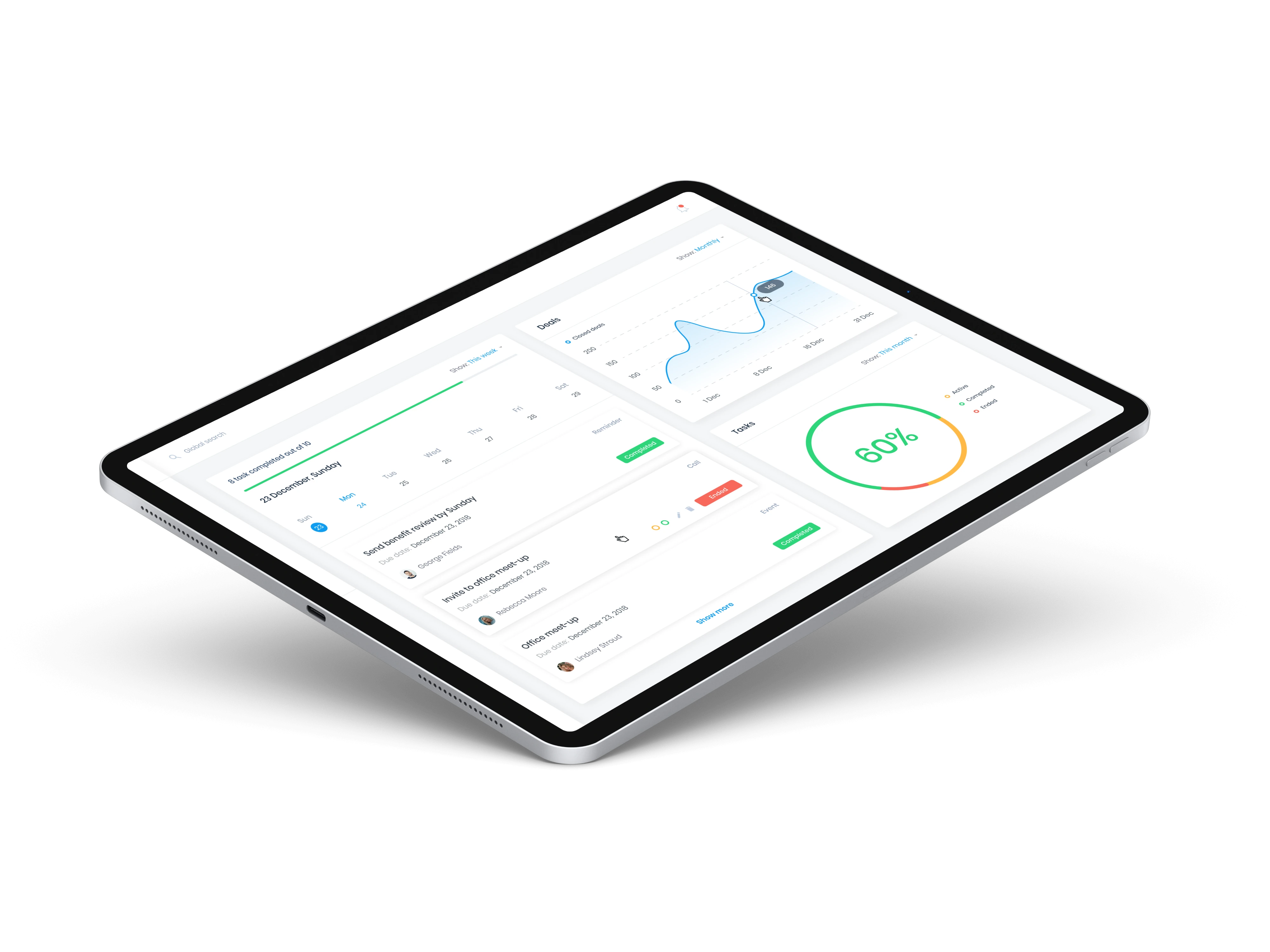
The business impact of a custom system shows up in the ability to make data-based decisions. Combining BI reports and management dashboards lets you see the full picture in one moment. There is no need to cross data manually or wait until the end of the quarter. The system centralises all raw information and turns it into strategic insights shown in a sharp visual form. That is a powerful management tool that changes how you understand the profitability and efficiency of every department in the business.
A Point Cloud: turning your Access into a cloud system
Breaking the office barrier is the most significant move of recent years. Through hosting Access in the cloud, your team enjoys full access to data from home, from the field, or from any branch in the world. Performance stays fast and stable, with no dependence on local hardware. Information security meets the strictest standards, with automatic backups and encryption that protects your digital assets. Flexibility is complete. You can add users and computing resources with one button click, which guarantees full scalability as the business expands.
Complementary solutions: clearing, archiving, and integrations
A modern system must talk to the outside world. Connecting through an API allows smooth integration with credit-clearing systems, mailing services, or government systems such as Israel Invoice. Document management becomes an inseparable part of the system. Using digital document-archiving systems saves physical space and allows immediate retrieval of every contract or invoice. That automation frees your staff from paperwork for activity that produces real value. If you aim for maximum precision, look at Access solutions for businesses tailored to your specific challenges.
Comparing alternatives: Access vs shelf software and web development
Choosing technology infrastructure is a critical business decision, not only a technical one. Many managers find themselves at a crossroads: stick to shelf software (SaaS), invest hundreds of thousands of shekels in custom web development, or harness Access solutions for businesses to create a competitive edge? The answer sits in the balance between flexibility, cost, and time-to-market. While shelf software offers a fast solution, it often becomes a growth barrier because of hidden costs for customisations and a monthly payment model that inflates as the team grows.
Web development from zero sounds tempting and innovative, but 2026 reality shows that such projects need huge budgets and development times 2 or 3 times longer than Access. Here the hybrid model enters, which is the real sweet spot for growing companies. Combining a smart Access interface (front end) with a powerful SQL Server database (back end) gives you the best of both worlds. You get Access development speed together with Enterprise-scale scalability and security. This is a simple ROI analysis: a one-time development investment that yields a system you fully own, with no choking subscription fees and no compromise on business logic.
When should you choose an Access solution?
Choosing Access is most precise when the organisation needs a complex internal system that includes unique business logic that does not exist in shelf products. If your timelines are tight and you need a working tool within a few weeks, Access is the fastest solution. In addition, for businesses that require full, exclusive control of their database structure with no dependence on external vendors, Access solutions for businesses provide complete technology independence.
When is Access not the right solution?
Despite its power, Access is not magic for every need. If the business needs a complex native mobile application aimed at the general public (B2C), or a system that must serve tens of thousands of simultaneous users, web development or dedicated applications will be necessary. In those cases Access can serve as an excellent back-office tool, but not as the main user interface. It is important to understand the limits: a standard Access file is limited to 2GB, so at huge data volumes the move to SQL Server is a required stage in the system’s evolution.
The upgrade roadmap: when to move to SQL Server and improve performance?
An excellent system is one that grows with you. But what happens when growth becomes a technical burden? Identifying bottlenecks is the first stage in your strategic upgrade roadmap. If you experience response times above 5 seconds for a simple query, or if your database is approaching the famous 2GB threshold, your system is signalling you. Access solutions for businesses in 2026 are not meant to stay static. They serve as a smart bridge to more advanced Enterprise technologies.
The upgrade process to SQL Server must be transparent and precise. The goal is a smooth move with no shutdown of business activity even for one day. This is a surgical operation where you keep the familiar, comfortable interface (front end) and replace only the back-end engine. Before the move, the data-cleanup stage is critical. Embedding “dirty” data in a new system is a strategic mistake that causes performance failures. Cleaning duplicates, fixing formats, and arranging indexes will make sure the new engine works at peak power from the first moment.
Improving database performance is not only a server move. It needs query optimization and cutting response times through wise use of stored procedures. When the logic runs on the server and not on the end station, network load drops dramatically and the system responds immediately. That is the impact companies look for when they upgrade their infrastructure.
Advantages of SQL Server as a back end
Moving to SQL Server gives you organisational-level information security and maximum data resilience. That is the ability to manage terabytes of information with no slowdown in performance. The system becomes truly scalable, ready for any number of simultaneous users and especially heavy workloads. For a deep look at system-tuning techniques, see the guide to database performance improvement.
Ongoing maintenance: the secret to a system that functions for years
Building a system is only the start. A maintenance retainer is not an expense. It is life insurance for your digital asset. In 2026, cyber threats and Microsoft’s frequent software updates need a finger on the pulse. Security updates, automatic backups, and ongoing code improvements prevent faults before they happen on the ground. Using professional Access development consulting services makes sure your infrastructure stays relevant, safe, and precise for a decade and more. Want to make sure your system is ready for the next generation? Let us check together the Access solutions for businesses that will lead you forward.
A Point Systems Ltd: turning data into a strategic advantage
Precision is not a target. It is our starting point. Since the company was founded in 2011, we have accumulated more than 15 years of experience cracking complex technology challenges for the Israeli market. Access solutions for businesses that we develop at A Point Systems Ltd are born from a deep understanding of changing operational needs. We do not only build information systems. We create the precise infrastructure that will let you grow with confidence, while turning raw data into powerful work tools that affect the bottom line directly.
Our work methodology is based on a surgical characterisation process. We believe every line of code must serve a clear business goal. The ability to refine complex organisational logic into a simple, smart user interface is our hallmark. We commit to uncompromising professionalism, creating bold solutions, and meeting timelines strictly. In a world where speed is the name of the game, we give you the tools to respond in real time, with stable, resilient systems that accompany you for years.
Why work with us?
We translate cool business needs into a warm, human technology language. Our skilled team specialises in the optimal mix of Access and SQL Server, which gives you a winning hybrid solution. Our accompaniment is personal and full. We are with you from the vision and initial characterisation, through development and embedding, to the ongoing support that keeps your system updated and safe at 2026 standards.
Your next step to growth
Your strategic change starts with fast, focused characterisation. We invite you to get a custom proposal, sewn exactly to your size and goals. Join hundreds of businesses and technology companies that already chose the innovation and precision of our studio to upgrade their business impact. Contact A Point Systems Ltd for an initial consulting conversation, and let us turn your data into an unstoppable growth engine.
Turning the growth vision into a sharp technology reality
The mix of operational flexibility and technology power is the key to leading in a competitive market. Across this guide we saw how Access solutions for businesses let you bridge the gap between scattered data and sharp management insights. Choosing a hybrid model, mixing Access development speed with SQL Server resilience, gives your organisation the most precise tools for growth without outdated technical limits or choking subscription costs.
A Point Systems Ltd expertise rests on more than 15 years of building smart information systems in the Israeli market. The experience we accumulated in hundreds of successful projects lets us identify your bottlenecks quickly and turn them into business opportunities. We do not only develop code. We build technology infrastructure that mixes professional confidence with bold creativity, the kind that sees the final business result at every stage of the process.
This is the time to give your business the precision it deserves. Contact an Access specialist for strategic consulting for your business, and let us refine together the full potential of your organisational information. Your next step toward maximum efficiency and significant business impact starts with one conversation.
Frequently asked questions: everything you need to know about Access solutions
Do Access solutions fit large businesses or only small businesses?
Access solutions for businesses fit every scale thanks to their technology flexibility. Small and mid-size businesses use them as a central ERP for managing customers and inventory, while giant organisations harness them as focused departmental solutions or as a tool for fast prototype development. Combining with SQL Server lets the system support hundreds of concurrent users with no damage to organisational performance.
How long does it take to develop a custom Access system?
Developing a basic system usually lasts only two to four weeks. More complex systems, including external integrations and advanced BI reports, may last two to four months. That is a significant cut of about 50% in development and embedding times compared with building traditional web applications from zero.
Can you reach an Access system from home or from the field?
Yes. Through cloud hosting or terminal servers, your team enjoys full access to data from anywhere in the world with an internet connection. The solution allows smooth, fast work from home or from the field with no need for a complex local install, while keeping a continuous user experience and high response speed.
What is the difference between Access development and ready shelf software?
The main difference is the level of precision and ownership. Shelf software (SaaS) forces the business to fit work processes to system limits, while Access development fits the technology to your unique business logic. In addition, it is a strategic economic saving thanks to full ownership of the code and the absence of monthly subscription fees that inflate as the team grows.
Will my system be secure in the cloud?
Information security in 2026 meets the strictest standards. The system includes end-to-end data encryption, daily automatic backups, and per-user access-permission management. Cloud hosting guarantees higher resilience than storage on a local physical server, and protects your digital assets against cyber threats and hardware faults.
When should you upgrade the Access database to SQL Server?
It is recommended to run the upgrade when the database approaches 2GB, or when simultaneous work of more than 15 users is required. Moving to SQL Server supplies maximum organisational stability, improved security, and the ability to manage terabytes of information with no slowdown in performance, while keeping the familiar Access interface.
Can the Access system connect to the business website?
Yes. You can connect the system to the site through a shared database or through advanced APIs. Such a connection allows automatic sync of leads, orders, and inventory data from the site directly into the internal management system. That automation prevents manual typing errors and saves the organisation dozens of work hours a month.
What is the average cost of maintaining an Access system?
The cost is significantly lower than maintaining heavy ERP systems or complex web development. Maintenance is usually based on a fixed monthly retainer that includes security updates, ongoing performance monitoring, and available technical support. That is an investment that makes sure the system stays stable, safe, and relevant to changing business needs for a decade and more.